
The hidden truths understanding the psychological effects of gambling
The Allure of Gambling: Understanding Its Psychological Pull
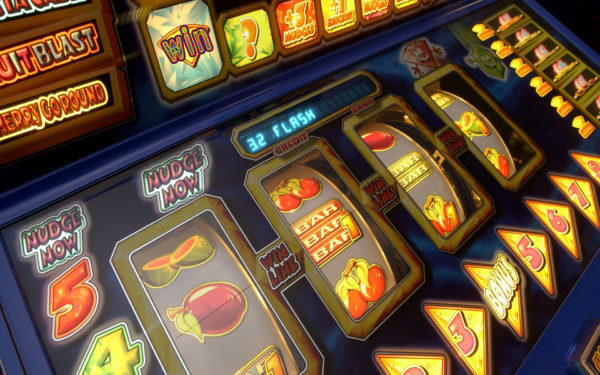
Gambling has an inherent allure that captivates millions worldwide, fueled by the thrill of chance and the prospect of financial gain. At its core, gambling taps into deep-seated psychological triggers such as excitement and risk-taking. The anticipation before a game can create an adrenaline rush, often leading to a dopamine release that reinforces the desire to play. This neurological response can be especially potent when players experience wins, conditioning them to seek that high again and again. Additionally, for those looking to explore their options, we recommend checking out the best rated online casinos, which provide a variety of fun and secure gaming experiences.

However, this psychological pull is a double-edged sword. The excitement of gambling can quickly transform into a compulsive behavior as players chase losses or seek the high of winning. Understanding this dynamic is crucial for recognizing the potential for addiction and its negative impact on mental health. By examining the psychological effects, individuals can better navigate their gambling habits and seek help when necessary.
Myths vs. Facts: Debunking Common Misconceptions
There are numerous myths surrounding gambling that can obscure its psychological effects. One prevalent myth is the belief that luck alone determines the outcome of games. While chance plays a significant role, psychological factors such as cognitive biases can significantly influence players’ decisions. For example, the “gambler’s fallacy” leads individuals to believe that past outcomes affect future results, which is not the case in random games.
Another common misconception is that gambling is merely a recreational activity devoid of serious consequences. In reality, it can have devastating effects on individuals and their loved ones. Understanding these myths in contrast to the facts can empower individuals to make informed choices about their gambling habits and recognize when professional help is needed.
The Role of Emotions in Gambling Behavior
Emotions play a pivotal role in gambling behavior, often leading players to make irrational decisions. Many people gamble as a means of escaping negative feelings or coping with stress, which can create a vicious cycle. When individuals gamble to alleviate emotional distress, they may find temporary relief, but it often leads to more significant problems in the long run.
Moreover, the emotional rollercoaster associated with gambling, characterized by highs from wins and lows from losses, can create an addictive cycle. Recognizing the emotional triggers that lead to gambling can be the first step toward healthier coping mechanisms and improved mental well-being. Understanding the intersection of emotions and gambling helps individuals develop strategies to mitigate risk and promote responsible gaming.
The Psychological Impact of Gambling Addiction
Gambling addiction can have profound psychological effects that extend beyond the individual. Those who struggle with this addiction often experience increased anxiety, depression, and feelings of guilt or shame. The financial consequences can lead to overwhelming stress, affecting relationships and overall quality of life. As the addiction spirals, individuals may isolate themselves, further exacerbating their emotional turmoil.
Treatment for gambling addiction often requires a multi-faceted approach, including therapy, support groups, and sometimes medication. Understanding the psychological impact of gambling addiction is vital for both individuals struggling with it and those who care for them. Awareness and education can pave the way for recovery and healthier coping strategies.
Your Resource for Responsible Gaming
Our website serves as a valuable resource for those interested in understanding gambling, its psychological effects, and how to approach it responsibly. We provide comprehensive information about safe gambling practices, the signs of gambling addiction, and links to professional help. Whether you’re a casual player or someone seeking to understand the complexities of gambling, our platform offers the insights needed for informed decision-making.
In addition, we curate a list of trusted online casinos, focusing on security and user experience, ensuring that players can enjoy their gaming experiences in a safe environment. By promoting awareness and responsible gambling, we aim to foster healthier relationships with gaming and encourage individuals to seek help if needed.